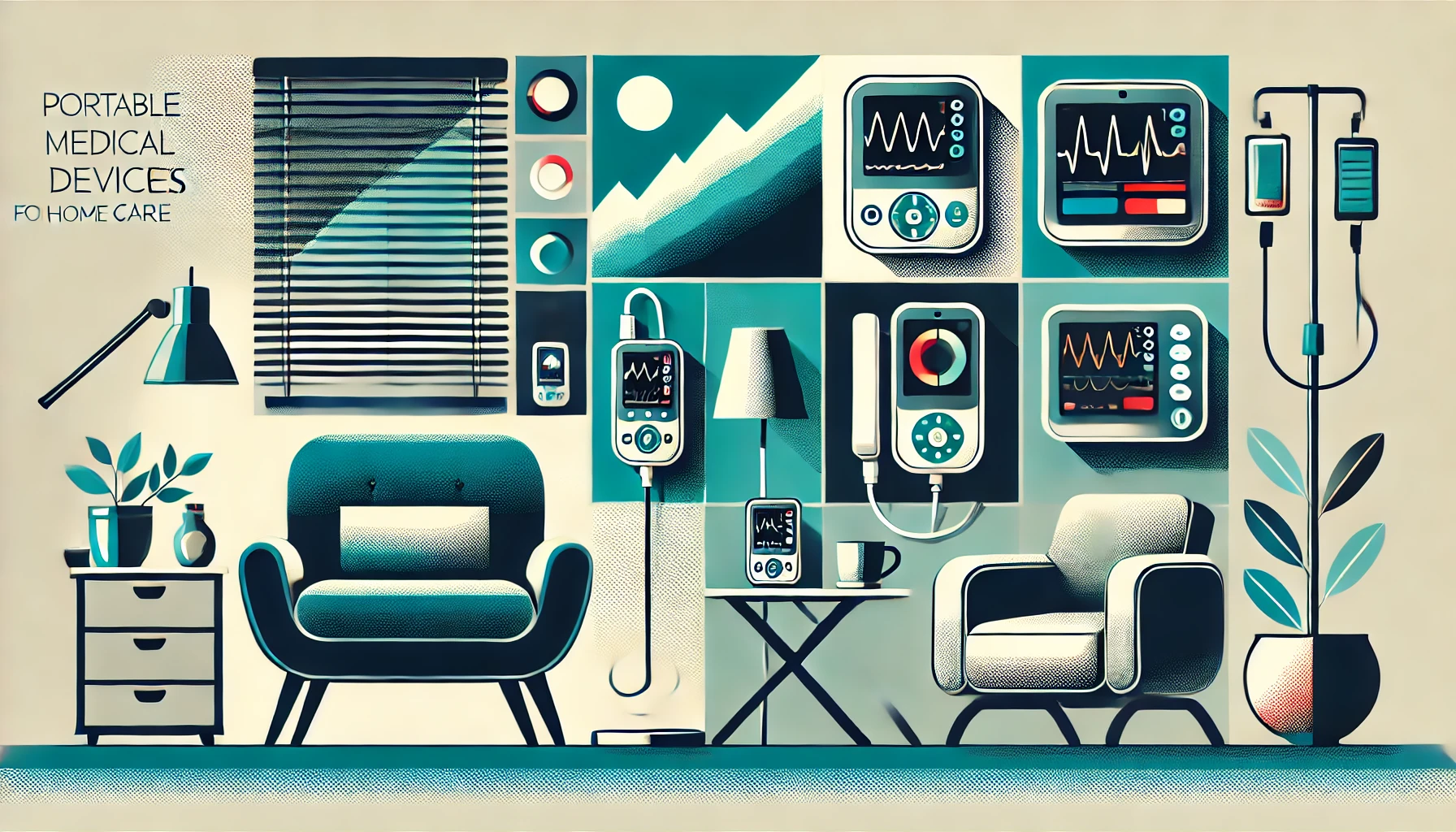
Portable medical devices for home care are compact, easy-to-use tools designed to help individuals manage health conditions safely and effectively outside a clinical setting. In the first paragraph it’s important to understand that advances in medical technology have made it possible for people to monitor, diagnose, and treat many health issues at home—with the same accuracy and reliability once only found in hospitals. Whether helping manage chronic diseases, supporting recovery from surgery, or enabling elderly care, these devices make healthcare more accessible, convenient, and often more affordable.
What Are Portable Medical Devices?
Portable medical devices are healthcare tools that can be used in a home environment without requiring specialized training or facilities. They range from simple monitoring devices like thermometers and blood pressure cuffs to more complex equipment like portable oxygen concentrators and home dialysis machines. What makes them “portable” is their design: they are lightweight, often battery powered, and built for repeated, everyday use by non-professionals.
With the rise of telehealth, these devices have become integrated into digital ecosystems, often transmitting data to healthcare providers in real time. This connection enhances care management and allows clinicians to make informed decisions without in-person visits.
Why Portable Medical Devices Matter for Home Care
Healthcare delivery is changing. Hospitals and clinics remain essential—but long-term care, chronic disease management, aging populations, and preferences for comfort and independence have shifted much care into the home. Portable medical devices enable this shift by:
1. Improving Patient Comfort: Being able to care for health needs at home reduces stress, travel, and exposure to infectious environments.
2. Reducing Healthcare Costs: Fewer hospital visits, emergency appointments, and inpatient stays often translate to lower overall costs.
3. Increasing Access: Rural or mobility-limited patients gain access to consistent care without frequent travel.
4. Enabling Early Detection: Regular monitoring can catch deterioration or complications early, leading to better outcomes.
5. Enhancing Independence: Patients can manage conditions without constant caregiver support.
Common Portable Medical Devices for Home Care
1. Blood Pressure Monitors
Portable blood pressure monitors allow patients with hypertension or cardiovascular conditions to regularly check their blood pressure at home. Many models connect to smartphones and log readings over time.
2. Glucose Meters
For people with diabetes, glucose meters are essential. Modern units provide rapid readings with small blood samples, and many integrate with apps for trend tracking.
3. Pulse Oximeters
Pulse oximeters measure blood oxygen saturation and pulse rate. They are particularly useful for respiratory conditions and recovery monitoring after illness.
4. Portable Oxygen Concentrators
For patients needing supplemental oxygen, portable oxygen concentrators offer independence by delivering oxygen from ambient air in a lightweight form factor.
5. Nebulizers and Inhalers
Nebulizers convert liquid medication into a mist for inhalation—helpful for asthma, COPD, and other pulmonary conditions. Portable inhalers provide similar therapy in pocket-sized devices.
6. Thermometers
Digital and infrared thermometers provide quick, accurate body temperature readings, essential for infection monitoring.
7. Portable EKG (ECG) Monitors
These devices allow for heart rhythm tracking outside clinical settings and can flag irregularities for further evaluation.
8. Home Dialysis Machines
For patients with kidney failure, portable dialysis systems bring life-sustaining treatments into the home, reducing hospital dependence.
9. Wearable Health Trackers
Advanced wearables track metrics like heart rate, sleep patterns, activity, respiration, and more—providing data that can guide lifestyle and medical interventions.
Benefits of Portable Medical Devices
Convenience: Home use saves time and minimizes disruption to daily life.
Better Adherence: Ease of use encourages regular monitoring and treatment compliance.
Empowered Patients: With real-time feedback, people take more active roles in their health management.
Reduced Healthcare Burden: Fewer clinic visits diminish pressures on healthcare systems and caregivers.
Remote Monitoring: Many devices support connectivity, enabling clinicians to track patient status between visits.
Cost and Pricing Overview
Costs for portable medical devices vary widely by type, features, and brand. Simple devices like digital thermometers and pulse oximeters may cost under a few hundred thousand rupiah, making them accessible to many. Mid-range units—like blood pressure monitors or basic glucose meters—typically range from moderate to a few million rupiah. Advanced or specialty devices, such as portable oxygen concentrators, home dialysis machines, or certified EKG monitors, can cost significantly more, often in the tens of millions of rupiah depending on capacity and features.
It’s important to understand total cost, which includes:
Device Price: The base cost of the unit itself.
Accessories: Extra attachments, batteries, chargers, carrying cases, or consumables.
Maintenance & Calibration: Periodic servicing may be needed for accuracy.
Training or Support: Some devices require setup support or ongoing tech help, which may involve fees.
When comparing costs, consider the value of avoiding frequent hospital visits, early detection of complications, and improved quality of life. For many users, the investment in reliable home devices pays dividends in comfort, safety, and long-term health outcomes.
Pros and Cons of Portable Medical Devices
Pros
Mobility: Use anywhere — at home, traveling, or in transit.
User-Friendly: Designed for laypeople with intuitive interfaces.
Real-Time Monitoring: Immediate feedback on health metrics.
Integration with Digital Health: Many devices sync with health apps and medical records.
Reduced Stress: Managing health at home often feels more comfortable and less intimidating than clinical settings.
Cons
Upfront Costs: Some devices can be expensive, especially advanced models.
Learning Curve: Users may need training to use devices correctly.
Maintenance Needs: Calibration, battery replacement, and servicing are ongoing considerations.
Not a Substitute for Professional Care: Home devices support and supplement—but do not replace—professional diagnosis and treatment.
Safety and Accuracy Considerations
When using portable medical devices at home, accuracy and safe operation are critical. Keep the following best practices in mind:
Choose Clinically Validated Devices: Look for FDA, CE, or other regulatory approvals that indicate testing and reliability.
Follow Manufacturer Instructions: Proper setup and usage ensure accurate readings and prevent misuse.
Understand Limitations: Not all devices replace professional assessment; some are screening or monitoring tools rather than diagnostic instruments.
Regular Calibration: Some devices require periodic calibration to maintain accuracy.
Secure Data: If devices connect to apps or cloud services, ensure data privacy and secure networks.
How to Choose the Right Device for Your Needs
Selecting the right portable medical device depends on your health goals, medical conditions, and lifestyle. Here’s a practical framework to guide your decision:
1. Define Your Purpose: Are you monitoring a chronic condition, supporting recovery, or managing risk? Different goals require different tools.
2. Consult Healthcare Providers: Talk with your doctor or nurse about recommended devices—and whether they integrate with your care plan.
3. Check Accuracy and Validation: Look for devices with clinical validation and positive user reviews from reliable sources.
4. Evaluate Connectivity Needs: Do you want data syncing with apps, alerts, or remote clinician access?
5. Consider Support and Warranty: Medical devices often come with service plans—consider these when comparing costs.
6. Plan for Training: Ensure you and caregivers understand how to use the device safely and interpret results correctly.
Comparison: Portable Medical Devices by Use Case
| Device Type | Main Use | Typical Cost Range | Best For |
|---|---|---|---|
| Blood Pressure Monitor | Blood pressure tracking | Low to Medium | Hypertension management |
| Glucose Meter | Blood sugar measurement | Low to Medium | Diabetes care |
| Pulse Oximeter | Oxygen saturation and pulse | Low | Respiratory monitoring |
| Portable Oxygen Concentrator | Oxygen therapy | Medium to High | Chronic lung disease support |
| Portable EKG | Heart rhythm tracking | Medium | Cardiac monitoring |
Frequently Asked Questions (FAQ)
Are portable medical devices accurate?
Many devices are clinically validated and provide reliable measurements when used correctly. However, they are meant to support—not replace—professional medical evaluation.
Can I use these devices without training?
Most portable medical devices are designed for non-professionals, but proper instruction is important for correct readings and safety.
Do insurance plans cover portable medical devices?
Coverage varies by plan, device type, and medical necessity documentation. Check with your insurer before purchasing.
How often should devices be maintained?
Follow manufacturer recommendations—some need annual recalibration, while others may only require periodic cleaning and battery changes.
Can data from these devices be shared with doctors?
Many devices sync with health apps and platforms that allow secure sharing with healthcare providers.
Conclusion: Portable Medical Devices for Home Care
Portable medical devices for home care are transforming how people manage health. They offer unprecedented convenience, promote proactive care, and support independence—especially for chronic conditions, aging populations, and post-acute recovery. While not a replacement for professional healthcare, these tools empower patients and caregivers with valuable real-time insights and help bridge the gap between clinic and home.
As you consider which devices are right for you or your loved ones, focus on accuracy, ease of use, integration with care plans, and long-term value. With thoughtful selection and proper use, portable medical devices can improve quality of life, reduce healthcare burdens, and make home care safer and more effective for everyone involved.