Portable jump starters for modern cars are compact, battery-powered devices that allow you to start a vehicle with a dead or weak battery without needing another vehicle or traditional jumper cables. In the first paragraph it’s important to understand that today’s cars—especially those with advanced electronics, hybrid systems, and start-stop technology—require reliable and safe jump starting solutions. Portable jump starters solve this problem by providing emergency starting power anytime, anywhere. They are a must-have for drivers who travel frequently, live in extreme climates, or simply want peace of mind knowing they won’t be stranded with a dead battery.
What Is a Portable Jump Starter?
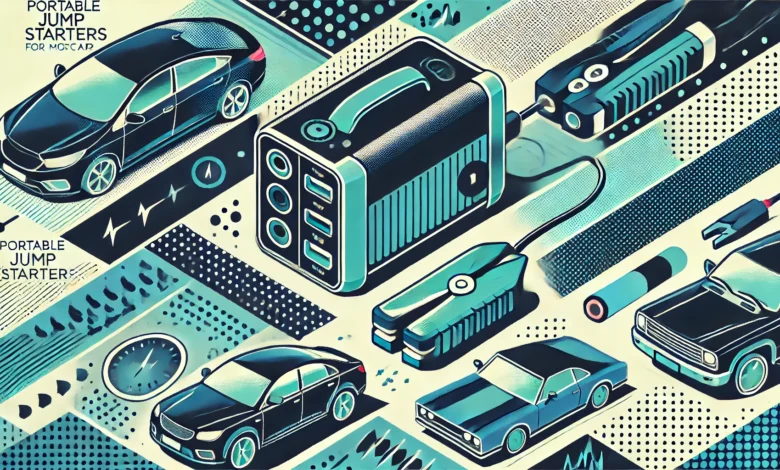
A portable jump starter is a self-contained power pack that stores electrical energy and delivers a high-current pulse to start an engine. Most modern units use lithium-ion or lithium-polymer batteries for high energy density, light weight, and long shelf life. They connect to your car battery using included clamps and deliver power instantly when you turn the ignition key or push the start button.
Unlike traditional jump starts that rely on another running vehicle, portable jump starters are standalone. They eliminate the need to flag down a stranger or rely on roadside assistance, making them especially useful in emergencies or remote locations.
Why Portable Jump Starters Are Essential for Modern Cars
Modern cars have more complex electrical systems than older models. Features like remote start, GPS, infotainment systems, and advanced driver aids place a greater load on batteries. Additionally, many drivers use electronics (interior lights, phones, etc.) while the engine is off, which can drain the battery faster.
Portable jump starters provide instant assistance without risking damage to sensitive electronics. Designed with safety features such as reverse-polarity protection, spark-proof technology, and overcurrent safeguards, they are safer and more user-friendly than traditional methods.
Key Features to Look For
Not all portable jump starters are created equal. When choosing one for a modern car, consider these important features:
1. Peak Current (Amps)
This determines how much power the unit can deliver to start an engine. For most passenger cars, 400–800 peak amps are sufficient. Larger engines (V8s, diesel) may require 1,000 amps or more.
2. Battery Type
Lithium-ion and lithium-polymer batteries are light, reliable, and hold charge longer than lead-acid alternatives.
3. Safety Features
Look for built-in protections such as reverse polarity alarm, short circuit protection, overcharge protection, and spark-proof design to ensure safe operation.
4. Portability and Weight
Smaller, lighter units are easier to store in your vehicle. Many jump starters weigh under 2 kg and fit in a glove box or trunk stash kit.
5. Extra Ports and Functions
Some jump starters double as power banks with USB ports for charging phones, tablets, and other devices. Built-in LED flashlights are also handy in emergencies.
6. Battery Capacity
Measured in milliamp hours (mAh) or watt-hours (Wh), higher capacity means more jumps per charge and longer periods between recharging the unit itself.
Benefits of Portable Jump Starters
Emergency Independence: No need to rely on other vehicles or roadside assistance.
Convenience: Quick and easy to use, even for drivers with little mechanical experience.
Safety: Built-in protections minimize the risk of electrical damage or user error.
Multi-Functionality: Many units double as power banks, flashlights, or emergency energy sources.
Portability: Compact and easy to store in the car for spontaneous use.
How to Use a Portable Jump Starter Safely
Here’s a simple step-by-step guide for using a portable jump starter:
1. Read the Manual: Before using, review the manufacturer’s instructions specific to your model.
2. Turn Off the Car: Ensure the ignition and all accessories are off before connecting the device.
3. Connect Clamps Correctly: Attach the red clamp to the positive terminal (+) and the black clamp to the negative terminal (–) or a solid ground point. Most modern jump starters include indicators or alarms to help prevent misconnection.
4. Power On the Jump Starter: Many units have a power button—press it before attempting to start the car.
5. Start the Vehicle: Turn the ignition or push the start button as usual. The jump starter provides the extra current needed to crank the engine.
6. Disconnect Safely: Once the vehicle starts, turn off the jump starter and remove clamps in reverse order (negative first, then positive). Store the unit ready for next time.
Cost Considerations
Portable jump starters cover a broad price range depending on capacity, features, and brand. Basic models with sufficient power for small to midsize cars often start at a modest price, while high-capacity units with multifunctional power bank features cost more. Rough price brackets you might encounter include:
Budget Models: Affordable units with 400–600 A peak current—good for small cars and occasional use.
Mid-Range Units: Mid-range models with 600–1,000 A and added features like USB charging ports.
Premium Units: High-output units (>1,000 A) with rugged build quality, long battery life, and extra functions (LED lights, air compressors in some cases).
It’s worth weighing cost against features and durability. A reliable portable jump starter can last for years and save time and towing costs after a dead battery event.
Pros and Cons of Portable Jump Starters
Pros
Easy and fast solution to dead car batteries without another vehicle.
Multipurpose devices (power bank, flashlight, emergency tool).
Safe with built-in protections.
Compact and easy to store in modern cars.
Cons
Upfront cost may be higher than simple jumper cables.
Requires periodic recharging to remain ready.
May not be sufficient for very large engines unless appropriately rated.
Battery capacity can decline over years if not maintained.
Comparison Table: Portable Jump Starters by Use Case
| Use Case | Recommended Peak Amps | Key Feature |
|---|---|---|
| Small Cars / Compact Sedans | 400–600 A | Lightweight, basic |
| Midsize Cars / SUVs | 600–1,000 A | Balanced power and features |
| Large Engines / Trucks | 1,000 A+ | High current, rugged |
| Emergency / Multifunction | 600–1,200 A+ | Includes power bank & flashlight |
Buying Tips for Modern Cars
Check Vehicle Requirements: Look at your car’s battery size, engine type, and manufacturer recommendations. Larger engines need higher peak amps.
Prioritize Safety Features: Reverse-polarity alarms and spark-proof technology protect both you and your car’s electronics.
Consider Multifunctionality: If you travel frequently, a unit with USB charging and a powerful LED light adds value.
Think About Portability: Lightweight models are easy to store, but don’t sacrifice capacity if your car needs it.
Warranty and Support: Good warranties and customer service provide peace of mind for long-term ownership.
Frequently Asked Questions
Can a portable jump starter damage my car?
Modern portable jump starters include safety protections that prevent damage from incorrect connections or voltage spikes—but always follow the manufacturer’s instructions.
How many times can I use a jump starter before recharging?
Usage depends on battery capacity, but many units can deliver several jumps per charge. Check the specification for cycles per charge.
Do I need a special one for hybrid or electric cars?
Most portable jump starters are designed for traditional 12 V systems. Hybrid and electric vehicles often have specialized systems—consult the manufacturer or your mechanic.
How often should I recharge the jump starter?
Recharge every 3–6 months if unused to maintain battery readiness.
Can I use it for other devices?
Many models double as power banks for phones, tablets, and other USB-powered devices.
Conclusion: Portable Jump Starters for Modern Cars
Portable jump starters are an essential emergency tool for modern drivers. They provide independence from roadside assistance, improve safety during breakdowns, and often offer useful extras like power bank functions and LED lights. Choosing the right one means balancing peak current, features, portability, and cost to match your vehicle’s needs.
Whether you’re commuting daily, embarking on long road trips, or simply want peace of mind in case of a dead battery, a good portable jump starter is a smart, practical investment that offers comfort and reliability on the road.